Is a Border Terrier Good With Kids?
The real question is not just whether a border terrier good with kids match exists – it is whether your kids, your routine, and this breed’s lively personality fit together well. Border Terriers can be wonderful family dogs, but they are not the kind of puppy you bring home and hope naturally settles into chaos. They do best with guidance, structure, and a family that understands their bright, busy little minds.
For many households, that is actually good news. A Border Terrier brings affection, playful energy, and a sturdy, cheerful nature that often works beautifully with children. But there are a few traits families should understand before falling for the scruffy face and sweet expression.
Is a border terrier good with kids in real family life?
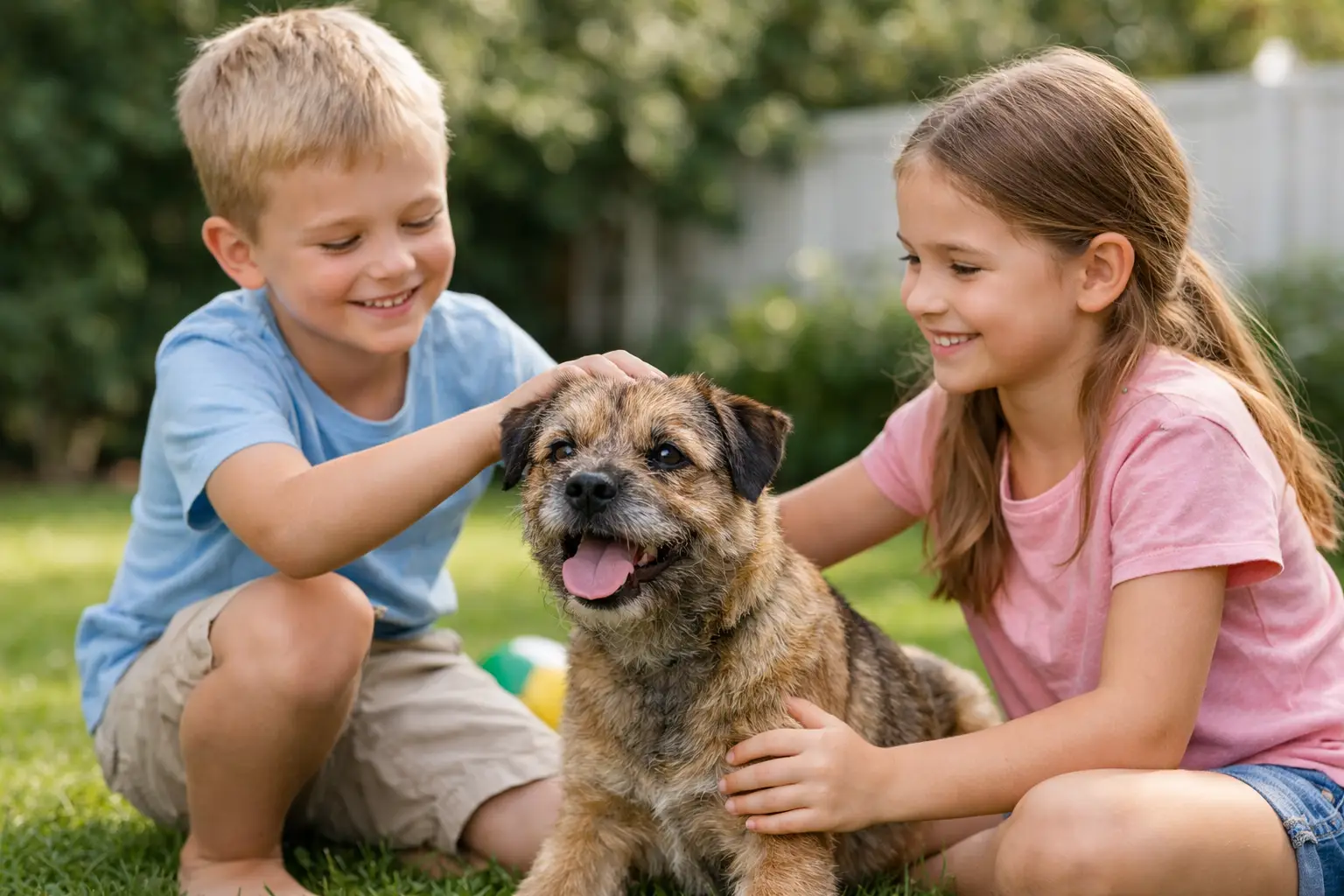
In many homes, yes, a Border Terrier is good with kids. This breed is generally known for being affectionate, spirited, and more even-tempered than some people expect from a terrier. They often enjoy being part of family activity instead of sitting on the sidelines, which can make them a fun companion for children who want a dog that actually joins in.
That said, Border Terriers are still terriers. They are alert, active, and sometimes a little determined about doing things their own way. They usually get along best with children who know how to treat a dog respectfully and who are old enough to understand simple rules like giving the puppy space while eating, resting, or chewing a toy.
If you have toddlers, the pairing can still work, but more supervision is needed. This is not because Border Terriers are aggressive by nature. It is because young children can be unpredictable, and any dog can become stressed by grabbing, climbing, or rough handling.
What makes Border Terriers appealing for families
One of the biggest strengths of this breed is balance. Border Terriers are energetic, but they are not typically as intense or reactive as some other terrier breeds. They can be playful outside and then settle down to cuddle once they have had enough exercise and attention.
They are also a nice size for many family homes. Usually weighing around 11 to 15 pounds, they are small enough to manage but sturdy enough not to feel especially fragile around children. For families who want a smaller dog without the delicate feel of a toy breed, that can be a very comfortable middle ground.
Another plus is their affectionate nature. Many Border Terriers bond closely with their people and enjoy being included in daily life. They are often happiest when they feel like part of the pack – following family members from room to room, playing in the yard, or curling up nearby at the end of the day.
Where families need to be realistic
A Border Terrier is not a plush toy with paws. If your children are very young, very loud, or not yet able to follow boundaries, you will need to do more of the work to keep everyone comfortable. These dogs are patient in many situations, but they still need respectful handling and clear structure.
Their terrier instincts matter, too. Border Terriers were bred to be bold and game, and that can show up as chasing, digging, darting after movement, or becoming fixated on little animals. In a home with active children running through the yard, some puppies get extra excited and may nip during play if they have not been taught better habits early.
That does not mean the breed is a poor choice. It means training and socialization are part of the package. Families who are ready for that often end up with a sweet, funny, deeply loyal companion.
Age of the child matters more than people think
When families ask whether a Border Terrier is good with kids, the child’s age is often the missing piece. School-age children are usually the easiest match. They can participate in training, help with routines, and learn how to read a dog’s body language. That creates a more respectful relationship from the start.
With babies and toddlers, the dog may be perfectly lovely, but management becomes the main job. Gates, supervised play, calm introductions, and separate quiet spaces are all part of making the home feel safe. Even the friendliest puppy can become overwhelmed if a child is constantly in their face.
With teenagers, Border Terriers often thrive. Older kids can match their energy, enjoy walks and games, and build a strong bond through shared activity. This breed likes being involved, and older children are often able to give them the attention and consistency they need.
Training shapes the family experience
A well-raised Border Terrier can be an absolute joy with children. A poorly guided one can become jumpy, mouthy, and hard to manage. The difference is usually not the breed itself. It is the early foundation.
Start with simple household manners. Teach the puppy not to nip hands during play, not to jump on children, and not to guard food or toys. At the same time, teach the children that puppies need gentle touch, quiet rest time, and space when they retreat to a bed or crate.
Border Terriers are smart, but they can also be independent. Training tends to go best when sessions are upbeat, short, and reward-based. Harsh corrections often backfire with sensitive puppies and can make family interactions more stressful instead of easier.
A puppy that has been well socialized from the beginning usually adapts far better to family life. Exposure to normal household sounds, people of different ages, handling, and routine activity helps build confidence. That early confidence can make a huge difference in how comfortably a puppy settles into a home with children.
Exercise and boredom are part of the answer
Sometimes families think a dog is “bad with kids” when the real issue is pent-up energy. Border Terriers need daily exercise and mental stimulation. Without it, they may bark more, dig more, bounce off the furniture, or turn every interaction into a wrestling match.
For many families, this breed works best when there is a rhythm to the day – walks, playtime, short training sessions, puzzle toys, and chances to sniff and explore. Children can absolutely be part of that, especially older ones, but adults still need to lead the routine.
A Border Terrier who gets enough activity is much more likely to be calm, responsive, and enjoyable around kids. A bored one tends to invent their own entertainment, and families do not always love the results.
Are Border Terriers gentle enough for younger children?
They can be, especially when the puppy comes from a careful breeder and receives strong early socialization. Border Terriers are often described as one of the more adaptable terriers, and many are naturally affectionate and tolerant. Still, gentleness is not something to assume. It is something to nurture.
Look for signs of a stable temperament from the beginning. A good puppy should be curious without being frantic, friendly without being pushy, and comfortable being handled. Breeder standards matter here. Puppies raised in clean, attentive environments with early human interaction often transition into family homes more smoothly.
This is one reason many families prefer working with a terrier-focused source like Terrier Paws when beginning their search. Knowing that breeder screening, health support, and early care standards are part of the process can give families more confidence as they choose a puppy for a home with children.
Border Terrier good with kids – but what about other pets?
This depends on the individual puppy and the home setup. Border Terriers often do well with other dogs, especially when introduced properly. With cats, outcomes vary. Some Border Terriers live peacefully with feline housemates, while others have a stronger prey drive and may be too interested in chasing.
If your children are also attached to smaller pets like rabbits, guinea pigs, or hamsters, caution is needed. Terrier instincts can be strong, and no amount of cuteness changes that. A family should think through the full household picture, not just the relationship between dog and child.
When a Border Terrier is a great family fit
This breed tends to shine in homes where children are taught to be kind, adults stay involved in training, and daily activity is part of normal life. They are especially appealing for families who want a small but sturdy dog with a playful spirit and real companionship.
They may be less ideal for homes where everyone is gone all day, where very young children are left to interact freely with the puppy, or where the family wants an effortless dog with low exercise needs. Border Terriers are loving, but they are not low-engagement dogs.
If your household is ready to meet the breed halfway, a Border Terrier can be a cheerful little shadow for your kids – ready for backyard play, couch cuddles, and plenty of kisses and tail wags. The best family dogs are not just chosen for their looks. They are chosen for the life they can share with the people who love them.