Puppy Delivery Across States Explained
A photo can make any terrier puppy feel like love at first sight. Then reality hits – the puppy you adore lives several states away, and suddenly the biggest question is not which puppy, but how that puppy gets home safely. Puppy delivery across states can be a wonderful option for families, but only when it is handled with real care, clear communication, and a strong commitment to puppy health.
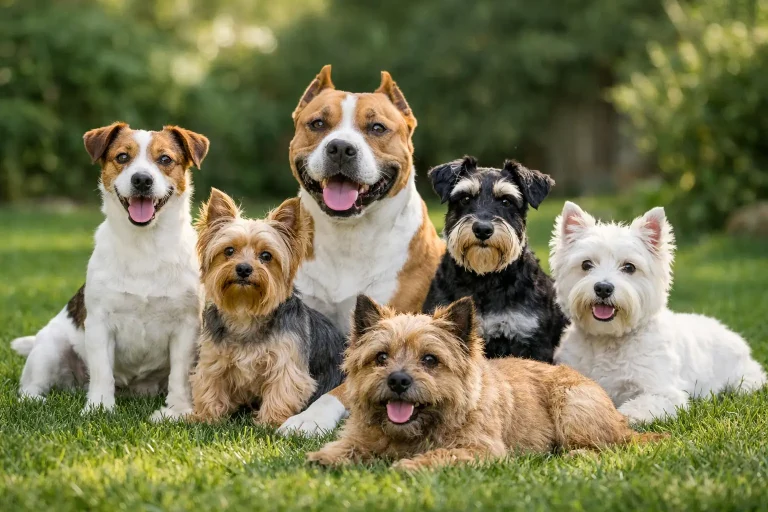
For many families, long-distance adoption opens the door to the right breed, the right breeder, and the right fit instead of settling for whatever happens to be nearby. That matters even more with terriers. Each terrier breed has its own personality, energy level, grooming needs, and family fit. If you have your heart set on a Yorkshire Terrier, Scottish Terrier, Jack Russell Terrier, or another terrier breed, it makes sense to widen your search. The key is making sure the trip is planned around the puppy’s well-being, not just convenience.
How puppy delivery across states usually works
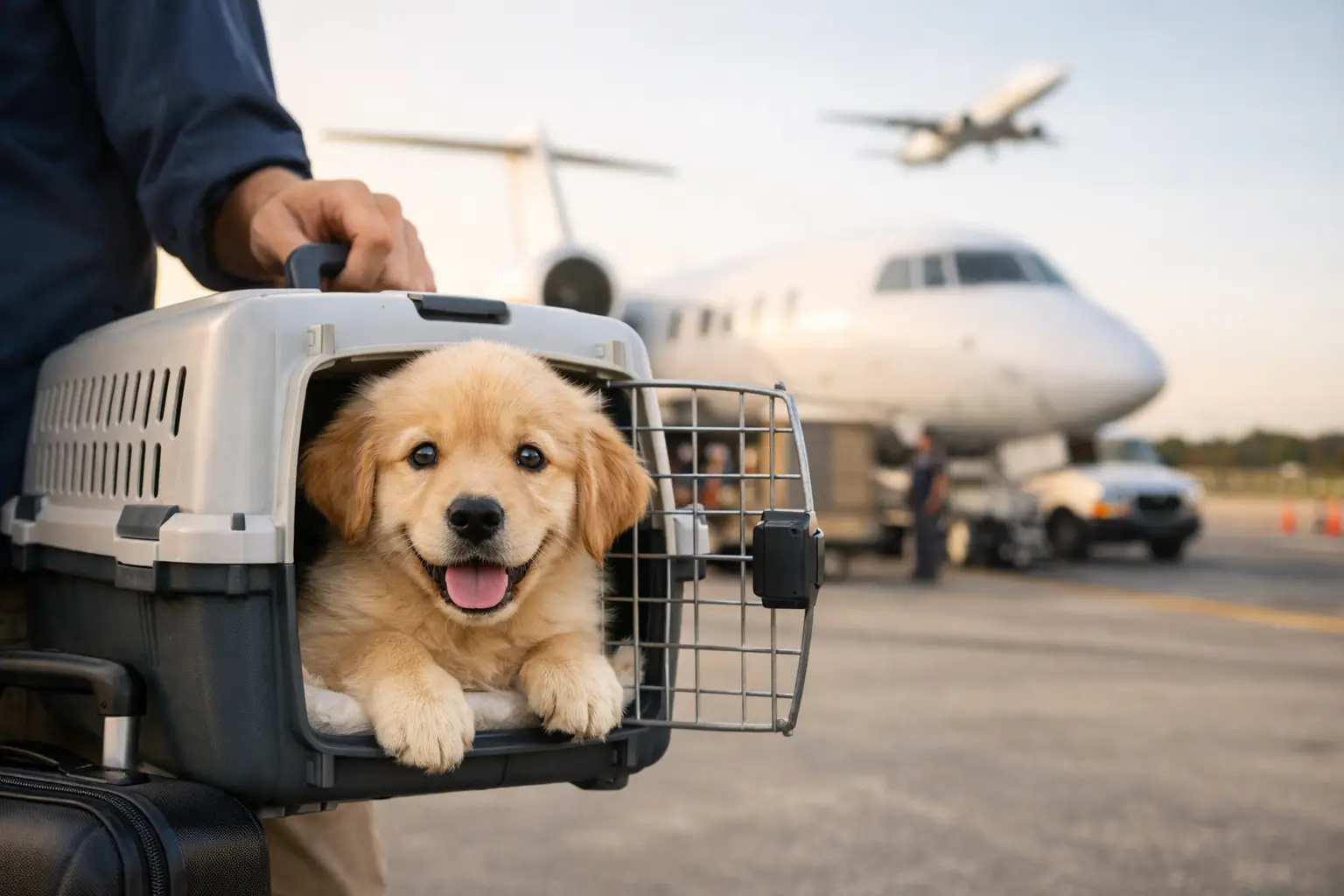
Most out-of-state puppy placements follow one of a few paths. Some families drive to pick up their puppy in person. Some use a ground transport option arranged with careful scheduling and health documentation. Others meet a breeder or delivery handler at a prearranged location. In certain situations, air travel may be considered, but it depends on the puppy’s age, breed, size, weather, airline rules, and overall safety.
The best approach is the one that matches the puppy’s needs first. A tiny Yorkie puppy may need very different travel planning than a sturdier terrier breed. Summer heat, winter cold, travel length, and stress tolerance all matter. A good breeder or puppy specialist will walk you through those details instead of treating transport like a standard shipping order.
That is an important distinction. Puppies are not packages. Safe delivery should include timing, temperature awareness, clean handling, rest stops if needed, and frequent updates so you know what is happening from departure to arrival.
Why safe transport starts before the trip
A healthy journey begins well before travel day. The puppy should be old enough for placement, current on age-appropriate vaccinations, examined by a licensed veterinarian, and comfortable with basic human handling. Socialization matters here more than many buyers realize. A puppy that has been gently exposed to sounds, people, and routine care is often better prepared for the changes that come with travel.
This is also where breeder quality becomes a major factor. If a breeder is rushing a puppy out too early, avoiding questions, or acting vague about health records, transportation is only part of the problem. Families often focus on how the puppy gets home, but the bigger issue is whether the puppy was raised responsibly in the first place.
With a breed-focused source like Terrier Paws, the value is not just in locating available terrier puppies. It is in helping families feel more secure about breeder standards, health expectations, and what a responsible handoff should look like.
What to ask before agreeing to puppy delivery across states
Before you commit, ask practical questions and listen closely to how they are answered. A trustworthy seller should be comfortable explaining who handles the delivery, how long the trip takes, what health paperwork is provided, and what happens if weather or travel conditions change.
You should also ask whether the puppy has been eating well, how often it is fed, what comfort items will travel with it, and what kind of crate or travel setup is used. These details may sound small, but they tell you a lot. People who care deeply for puppies usually care about routines, stress reduction, and transition planning.
It also helps to ask about communication during transit. Families feel calmer when they receive updates, photos, or timing changes as they happen. Good delivery support does not leave you wondering where your puppy is for hours on end.
Red flags families should never ignore
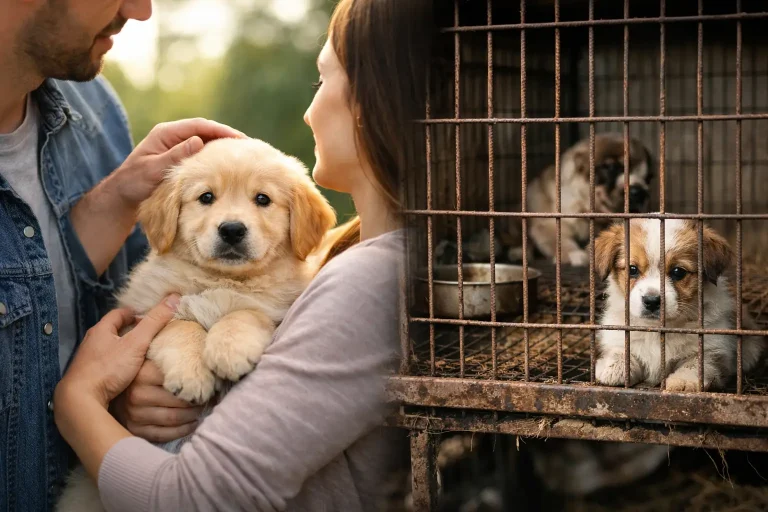
Long-distance puppy shopping can attract bad actors because buyers cannot easily visit in person. That means caution is part of being a good future pet parent.
Be wary if someone refuses video calls, pushes immediate payment, offers unusually cheap puppies paired with fast delivery, or cannot provide clear veterinary documentation. Another warning sign is when every puppy is supposedly available right now, with no thoughtful questions asked about your home, schedule, or breed fit. Responsible breeders and puppy placement professionals want the right match, not just the fastest sale.
You should also pause if the seller uses language that sounds more like freight transport than puppy care. Safe puppy delivery across states should never feel cold, rushed, or anonymous. There should be real names, real records, and real accountability.
Ground transport vs. meeting in person
For many terrier families, ground transport is the more comfortable option, especially for younger puppies. It can allow for more direct supervision, controlled breaks, and less exposure to the noise and unpredictability of major travel hubs. That said, quality varies widely. A carefully managed ground trip is very different from an overcrowded route with too many stops and too little attention.
Meeting in person is often the most reassuring choice if distance and schedule allow it. You get to see the puppy firsthand, ask final questions, and begin bonding right away. Some families even prefer to fly or drive out and return home with their puppy themselves. If that is possible, it can be a lovely start.
Still, it depends on your location, budget, and flexibility. Not every family can take time off for cross-country travel. A well-organized delivery plan can absolutely work, as long as the puppy’s comfort and safety remain the priority.
How terrier breeds can affect travel plans
Terriers are not one-size-fits-all dogs, and travel planning should reflect that. Smaller terriers may need more attention to warmth, feeding timing, and gentle handling. Higher-energy terriers may become restless more quickly and benefit from calm, structured care during transport. Some puppies are naturally bolder, while others need a little more patience through transitions.
Breed traits do not determine everything, but they do influence how a puppy may respond to a long day. This is one reason breed-specific guidance helps. Families searching for a terrier are often not just buying a puppy. They are choosing a temperament, a lifestyle fit, and a companion they hope to love for years.
Preparing your home before your puppy arrives
The trip home is only half the story. Your puppy’s first 48 hours matter just as much. Have a quiet area ready with a crate or pen, fresh water, the same food the puppy has been eating, and a soft place to rest. Keep introductions calm. Children should be excited, of course, but gentle excitement goes a lot better than a full welcome parade.
Expect your puppy to need time to settle. Some puppies arrive playful and curious. Others are sleepy, clingy, or a little unsure for the first day or two. That range is normal. Stick to simple routines, offer reassurance, and schedule a wellness visit with your veterinarian soon after arrival.
This is also the right time to start building trust. Soft voices, predictable feeding, potty breaks, and patient handling tell your puppy that this new home is safe. Those early moments are where a lot of puppy love begins.
The real goal is not fast delivery
Families understandably want their puppy home as soon as possible. Once you have chosen your little terrier, waiting can feel endless. But the best delivery plan is not always the fastest one. Sometimes waiting for safer weather, a better route, or one more veterinary check is the right call.
That patience is worth it. A responsible puppy journey should protect the puppy’s health, lower stress, and help the handoff feel thoughtful from start to finish. When delivery is handled the right way, distance becomes far less intimidating.
A puppy coming from another state should still arrive feeling cared for, expected, and already deeply loved. That is the standard families deserve, and it is the kind of beginning every terrier puppy should have.