How to Avoid Puppy Mills When Buying
That tiny face on a listing can make your heart race fast. But when you are bringing home a puppy, especially a purebred terrier, the sweetest choice is also the one that asks a few hard questions first. If you are wondering how to avoid puppy mills, the goal is simple – slow down, look past the photos, and make sure your future puppy comes from a clean, caring, responsible home.
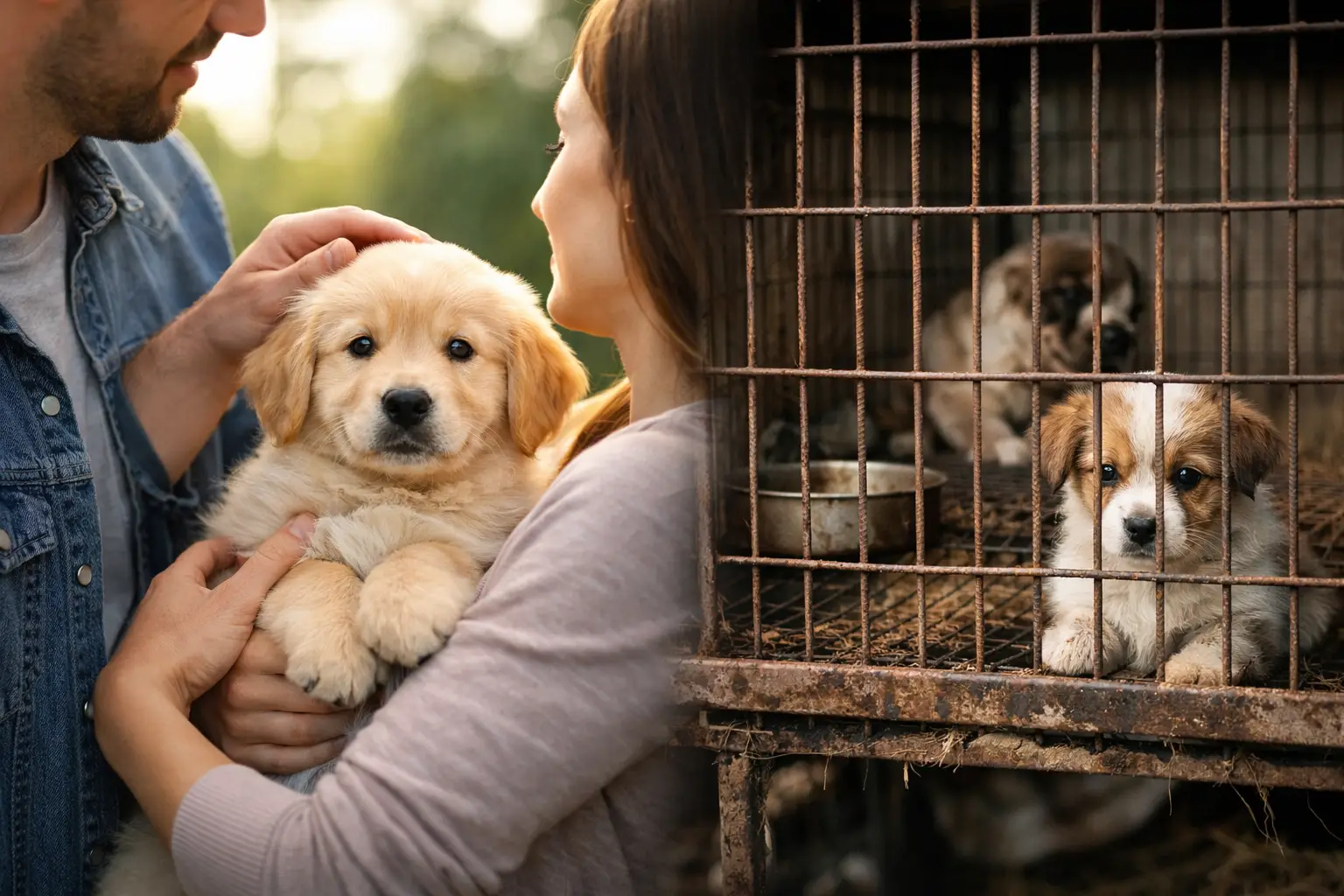
A puppy mill is not just a breeder you do not like. It is a high-volume breeding operation that puts profit ahead of the dogs’ health, comfort, and development. Puppies may be sold quickly, but they often come from poor living conditions, weak socialization, and little real attention to long-term health. For families who want kisses, tail wags, and a happy start, that risk is too big to ignore.
How to avoid puppy mills starts with breeder transparency
A good breeder does not act like they are doing you a favor by sharing information. They expect questions. In fact, responsible breeders usually welcome them because they care where their puppies go.
If a seller avoids basic details about the puppy’s parents, health history, vaccinations, or living conditions, pause right there. You should be able to learn where the puppy was raised, how often the breeder produces litters, what veterinary care has already been provided, and what kind of socialization the puppy is getting. Home-raised puppies usually show signs of regular handling, everyday household exposure, and early comfort around people.
Transparency also means paperwork. AKC registration, vaccine records, deworming history, health guarantees, and breeder contact details should not feel mysterious or delayed until after payment. A breeder who keeps everything vague is counting on emotion to do the work that trust should do.
Red flags that should make you walk away
Some warning signs are subtle. Others are loud enough to save you a lot of heartbreak if you listen.
One of the biggest red flags is a seller with many breeds available all at once, especially when those breeds have very different care needs. Another is a breeder who always has puppies ready to go immediately. Ethical breeding takes planning, recovery time for the parent dogs, and careful placement. Constant availability can suggest volume over care.
Price can be tricky too. A very low price may sound like a lucky break, but it can also signal poor breeding practices, skipped veterinary care, or rushed sales. On the other hand, a high price alone does not prove quality. That is why paperwork, communication, and living conditions matter more than the number on the listing.
Pay attention to how the seller handles urgency. If they push for a deposit before answering questions, refuse calls, or pressure you with lines like someone else is waiting right now, treat that as a warning. Reputable breeders want a good match. Puppy mills want a fast transaction.
What a responsible breeder looks like
The best breeders are proud of how they raise their dogs, but not flashy about it. Their confidence usually shows up in consistency. They know their breed well, they can explain common health concerns, and they talk about temperament as naturally as they talk about color or coat type.
You should expect thoughtful questions from them too. A breeder who asks about your home, schedule, yard, children, or dog experience is not being nosy. They are screening for fit. That is a good sign. Terriers, in particular, can be lively, smart, stubborn, and wonderfully affectionate. A breeder who understands those traits will care about placing each puppy with the right family.
A responsible breeder also stays connected after the sale. They do not disappear once payment clears. They are available for guidance, they stand behind the puppy’s health records, and they usually have a clear policy if something goes wrong. That kind of support matters, especially for first-time puppy parents.
Questions to ask before you commit
If you are serious about how to avoid puppy mills, your questions matter as much as the seller’s answers. Ask where the puppy was born and raised. Ask whether you can see current photos or videos of the puppy in its actual environment. Ask about the parents’ health testing, not just whether they “look healthy.”
You should also ask what veterinary care the puppy has received, whether the puppy has started socialization, and what the daily routine looks like. Puppies raised with gentle handling and normal home sounds often transition better than puppies kept in isolated kennel rows.
Another smart question is how often the breeder has litters. There is not one magic number that separates ethical and unethical breeding, because breed goals, household setup, and support systems vary. Still, the breeder should be able to explain their program clearly and comfortably. If the answer feels slippery, trust that instinct.
Why photos are not enough
Online listings are convenient, but they can also hide a lot. Clean backgrounds, cute bows, and perfect lighting do not tell you whether the puppy is thriving. They definitely do not tell you how the mother dog is being treated.
That is why videos, live calls, and detailed breeder conversations are so valuable. If in-person visits are possible, they can help. If distance is part of the process, you need even more transparency, not less. Delivery support can be a wonderful convenience for families across the country, but it should never replace breeder accountability. Safe transport only matters after you have confirmed the puppy came from the right place.
Ask to see the puppy moving, interacting, and resting. Ask to see where the litter spends time. You are not looking for magazine perfection. You are looking for signs of cleanliness, comfort, and normal puppy behavior.
Beware of marketplaces that feel too easy
Convenience is not the enemy. Lack of screening is.
Some online platforms simply post listings and leave buyers to sort out the risk themselves. That can create the perfect cover for mills, brokers, and resellers. If the process feels anonymous from start to finish, that is a problem. Families deserve more than a shopping cart experience when they are choosing a living, growing companion.
This is where a specialized, breeder-screened approach can make a real difference. A terrier-focused source such as Terrier Paws can help narrow the field by centering verified breeders, health expectations, and support for families who want a structured path instead of guesswork. That does not mean you stop asking questions. It means you start from a stronger, safer place.
The puppy’s behavior can tell you a lot
No young puppy will be perfectly calm, perfectly trained, or perfectly brave. That is not the standard. But behavior can offer clues.
A puppy that seems extremely shut down, unusually dirty, lethargic, or terrified of human contact may have had a poor start. Mild shyness is one thing. A complete lack of curiosity or severe fear is another. Likewise, obvious coughing, eye discharge, constant scratching, or signs of digestive trouble deserve attention before any commitment is made.
Ask what the puppy has been exposed to so far. Has it been handled daily? Has it met different people? Has it heard normal household sounds? Early socialization does not need to be fancy. It just needs to be real.
Trust your head, not just your heart
The hardest part of this process is that puppy mills often rely on compassion. Buyers see a puppy, worry that saying no will leave it in a bad place, and move forward despite concerns. That feeling is understandable. It is also exactly what unethical sellers count on.
Choosing not to buy from a bad situation is not abandoning a puppy. It is refusing to fund the cycle that created that situation in the first place. The kindest decision can sometimes feel disappointing in the moment, especially when children are involved or you have been searching for weeks. But a healthy, well-raised puppy is worth waiting for.
Bringing home a terrier should feel exciting, not uneasy. When the breeder is open, the records are clear, and the puppy has been raised with care, you can move forward with a lot more peace of mind. Puppy love begins best when trust comes first, and the right puppy is worth every careful step.