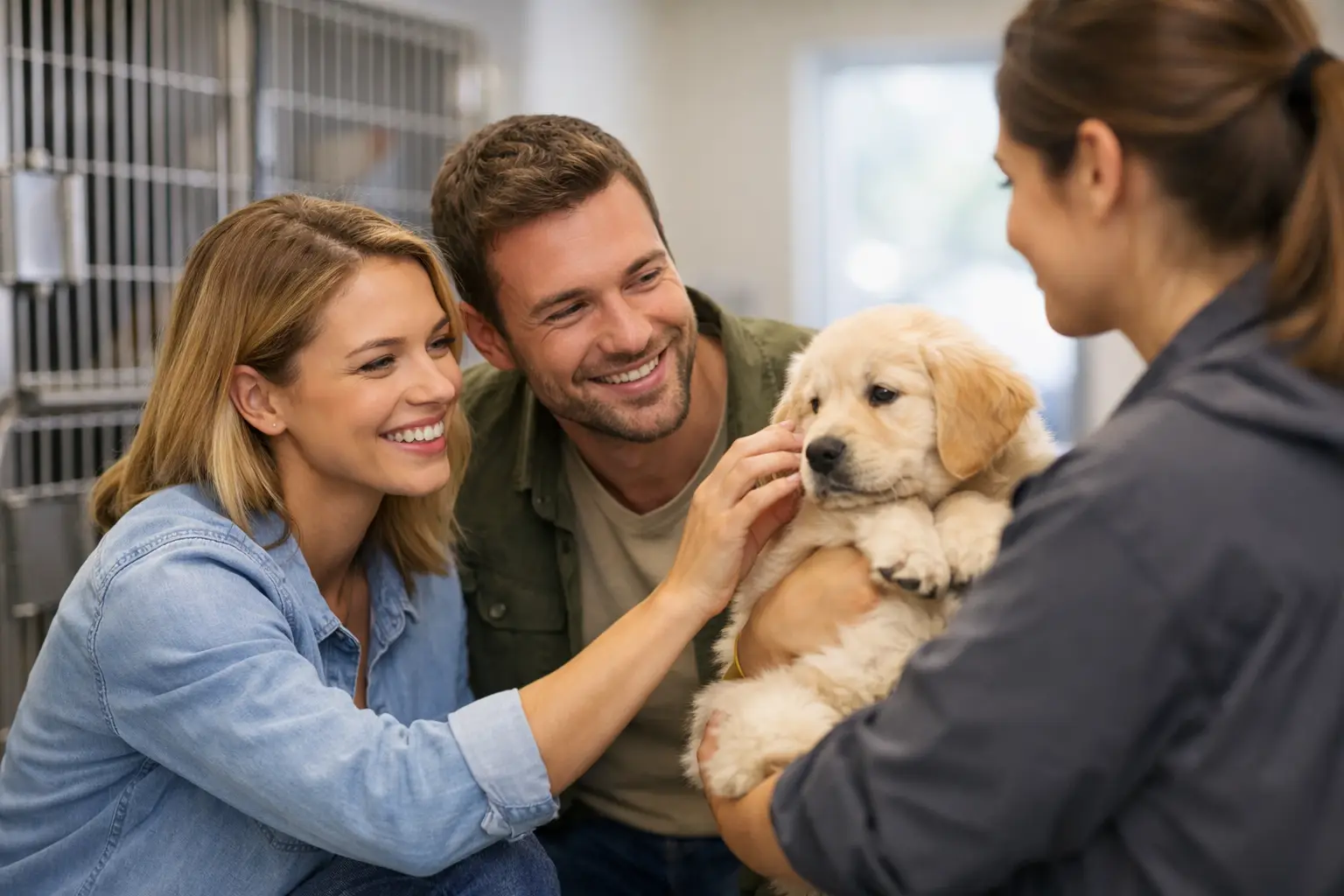
How to Adopt a Puppy Safely
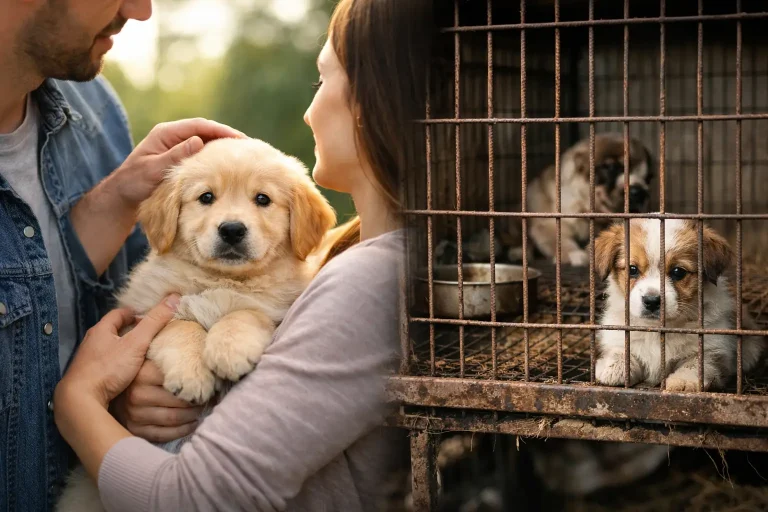
Bringing home a puppy should feel exciting, not stressful. If you are wondering how to adopt puppy safely, the real goal is simple – protect your future dog, protect your family, and avoid the heartbreak that comes from rushed decisions or unreliable sellers.
A sweet photo and a fast promise are not enough. Safe puppy adoption means looking closely at the breeder, the puppy’s health, the travel plan, and the support you will have after pickup or delivery. That matters even more when you are searching online, comparing litters in different states, or trying to choose the right terrier for your home.
How to adopt puppy safely starts with the source
The safest adoption experience usually begins with a breeder or platform that is willing to be transparent from the first conversation. That means clear answers, current puppy information, and a process that does not pressure you to send money before your questions are addressed.
A responsible breeder should be able to explain how the puppy was raised, what early socialization has looked like, what vaccinations have been given, and whether a veterinarian has completed a recent health check. If the conversation feels vague, rushed, or inconsistent, trust that feeling. A safe match should come with confidence, not confusion.
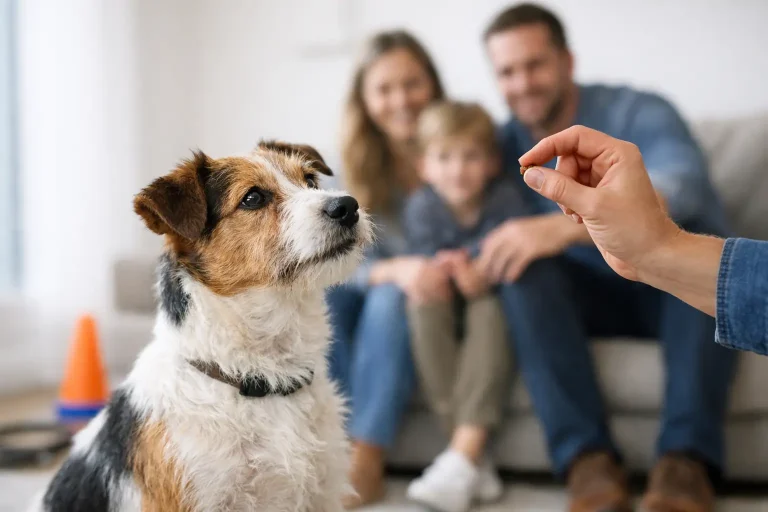
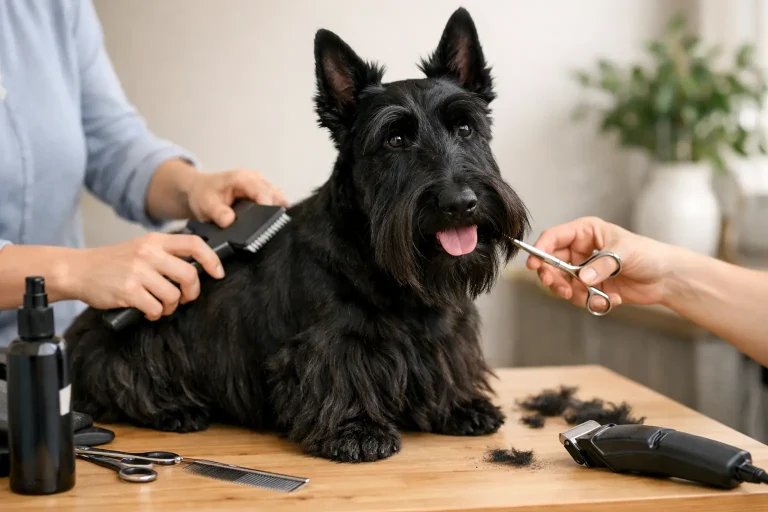
This is especially important with terriers. These breeds are bright, energetic, and full of personality, but they are not one-size-fits-all dogs. A breeder who truly knows terriers should be able to talk through temperament, exercise needs, grooming expectations, and how a Yorkshire Terrier will differ from a Jack Russell Terrier or Scottish Terrier in daily family life.
What a reputable breeder should provide
A safe puppy adoption is built on documentation and openness. You should expect more than verbal promises. Health records, vaccine details, and registration information should be available and easy to understand.
In many cases, a reputable breeder will also offer a health guarantee and explain exactly what it covers. Read that carefully. A guarantee can be meaningful, but only if the terms are clear. Some cover congenital issues for a set period, while others are narrower. It depends on the breeder, so ask direct questions and get the answers in writing.
You should also ask where the puppy is being raised. Home-raised puppies often get more early exposure to household sounds, handling, and routine interaction. That does not automatically guarantee a perfect outcome, but it is usually a better sign than a puppy raised with minimal human contact.
Good questions to ask before you commit
Ask when the puppy was born, when it will be ready to go home, what food it is eating, and whether it has started crate exposure or potty habits. Ask if the parents have known health issues or temperament concerns. Ask how the breeder helps puppies transition into new homes.
You are not being difficult by asking these questions. You are being careful, and careful is exactly how puppy love begins on the right foot.
Red flags that should make you pause
Some warning signs are obvious, and some are easy to miss when you are already attached to a puppy photo. One of the biggest red flags is urgency. If someone pushes you to pay immediately because “many buyers are waiting,” that pressure is working against your ability to make a safe decision.
Another concern is limited proof. If the seller avoids showing updated photos, refuses a phone or video conversation, or cannot share veterinary records, step back. The same goes for pricing that feels strangely low compared with the market. Bargain puppies often come with hidden costs, from untreated illness to poor early socialization.
Pay attention to communication quality too. Reputable breeders tend to be consistent and informed. Scammers and careless sellers often give incomplete answers, change details, or avoid specifics. A puppy is not a quick online transaction. It is a long-term family commitment.
Health matters more than appearances
It is easy to focus on markings, coat color, or how tiny a puppy looks in photos. But safe adoption starts with health and sound development. A puppy should have age-appropriate veterinary care, vaccination records, and a clear feeding and care routine.
You will also want to ask about behavior. Is the puppy curious, responsive, and handled regularly? Has it been around normal home activity? Early socialization does not mean a puppy has experienced everything, but it should mean the puppy is not being raised in isolation.
For families with children, this step matters even more. The cutest puppy is not always the best fit. A good breeder or advisor should help you think about energy level, patience, trainability, and how the puppy’s adult temperament may fit your household.
How to adopt a puppy safely when buying from another state
Many families find the right puppy outside their local area, especially when they are looking for a specific terrier breed. That can still be done safely, but the process needs more attention.
First, make sure you understand exactly who is handling the puppy before it reaches you. If pickup is in person, confirm the location, timing, and what records you will receive. If delivery is involved, ask how travel is arranged, how long the trip will be, and what support is available if plans change.
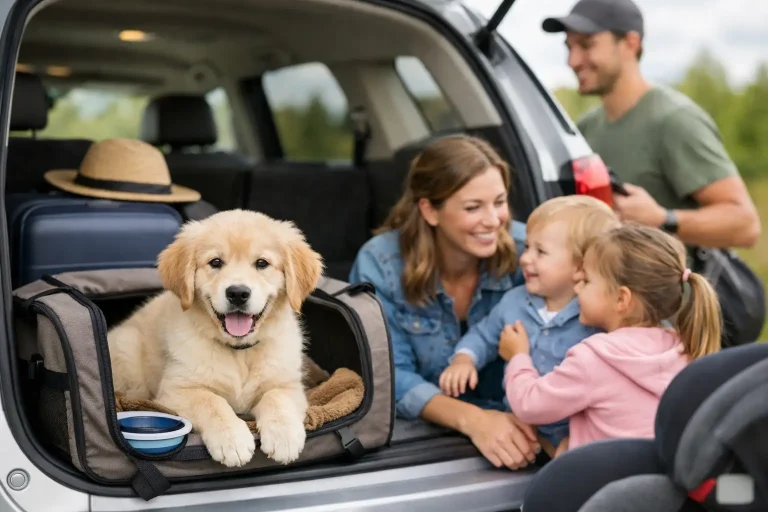
Safe transport is not just about convenience. Young puppies need age-appropriate timing, careful handling, and clear communication. A trustworthy process will explain when a puppy is old enough to travel, what the delivery method looks like, and how the puppy’s comfort is protected during the trip.
This is one area where structured support really helps. Terrier Paws, for example, focuses on connecting families with screened terrier breeders while also helping coordinate a smoother, more informed adoption process.
Prepare your home before the puppy arrives
Even a healthy, well-bred puppy can have a rough first week if the home is not ready. Safe adoption includes the handoff after adoption, not just the selection process.
Set up a quiet space with a crate or puppy pen, fresh water, food that matches the breeder’s current diet, and a safe place to rest. Remove cords, shoes, children’s toys, and anything else a curious terrier might chew. Terriers are clever and fast, and many are more determined than first-time owners expect.
Schedule a vet visit soon after arrival. Even if the puppy has already been checked, establishing care right away gives you peace of mind and creates a baseline with your local veterinarian. It also helps you confirm vaccine timing, parasite prevention, and feeding guidance.
The first few days should stay calm
Try not to overwhelm your puppy with visitors, loud outings, or too much handling at once. Give your new companion time to settle, eat, sleep, and learn your routine. A gentle start helps build trust and reduces stress.
That first week is also a good time to watch for signs that something feels off, such as diarrhea, low appetite, coughing, unusual tiredness, or extreme fearfulness. Some stress is normal during transition, but persistent symptoms deserve veterinary attention.
Safe adoption is also about the right match
Sometimes the safest decision is not choosing the first available puppy. It is choosing the puppy and breed that truly fit your lifestyle.
A high-energy terrier can be wonderful in an active household, but frustrating in a home that expects a calm lap dog all day. A smaller terrier may work well in an apartment, but only if you are ready for training, exercise, and terrier-style confidence. Breed fit affects everything from behavior to bonding to long-term success.
This is where honest guidance matters. The right breeder will not just sell you a puppy. They will help you think ahead. They should want their puppy placed in a safe, loving home that understands what the breed needs.
The safest puppy adoption feels clear, not rushed
When families ask how to adopt puppy safely, they are usually asking how to avoid regret. The answer is not complicated, but it does require patience. Choose a transparent source, verify health information, ask better questions, plan the travel carefully, and prepare your home before those first kisses and tail wags arrive.
A good puppy match should feel joyful and grounded at the same time. If a breeder or adoption process gives you both, you are on the right path to bringing home a healthy little companion who can truly become part of your fur-ever family.