15 Questions for Puppy Breeder Calls
The first five minutes with a breeder can tell you a lot. If you feel rushed, brushed off, or pressured to send money before your questions are answered, pause right there. The best questions for puppy breeder conversations are not about sounding impressive. They are about protecting your future puppy, your home, and the years of companionship you are hoping to build.
When you are looking for a terrier puppy, this matters even more. Terrier breeds are bright, spirited, and full of personality, but they are not all the same. A Yorkshire Terrier and an Airedale Terrier can fit very different lifestyles. A good breeder should help you understand the puppy in front of you, not just close a sale.
Why your questions matter more than the photos
Cute photos can start the conversation, but they should never finish it. Anyone can post a sweet puppy picture. What separates a responsible breeder from a risky one is how clearly they talk about health testing, early care, socialization, and what kind of home each puppy needs.
A trustworthy breeder usually welcomes thoughtful questions. In fact, reputable breeders often ask plenty of questions back. That is a good sign. It means they care where their puppies go and want each one placed with the right family.
On the other hand, vague answers, changing stories, and constant pressure are worth taking seriously. If a breeder cannot explain how the puppies are raised or avoids sharing basic health details, that is not a small issue. It is often the issue.
Questions for puppy breeder calls before you commit
You do not need to turn every conversation into an interrogation. A warm, open conversation can still be thorough. These are the questions that matter most.
1. Can you tell me about the puppy’s parents?
Start here because the parents shape a lot of what you can expect. Ask about temperament, size, activity level, and any known health history. With terriers, temperament is especially important. Some lines are more easygoing, while others are more intense, vocal, or high-drive.
A strong breeder should be able to describe both parents in real terms, not just say they are “great dogs.” You want details. Are they confident? Social? Good with children? Quick to alert? Easy to train? That information helps you picture life with the puppy.
2. What health testing have the parents had?
This question is non-negotiable. Vaccines and a quick vet visit are not the same as breed-appropriate health testing. Different terrier breeds can have different inherited concerns, so ask what screenings were done and why.
A good answer is specific. A weak answer sounds like, “They’ve never had problems,” or, “The vet said they look fine.” Health testing should be more than guesswork or luck.
3. Has the puppy been examined by a veterinarian?
You want to know when the puppy was seen, what was checked, and whether there were any findings. Ask if records will be provided. Responsible breeders are usually ready with vaccination details, deworming history, and any notes about the puppy’s development.
If the breeder hesitates to share records until after payment, that is worth noting. Transparency should come early.
4. How are the puppies raised day to day?
This question tells you a lot about early socialization. Puppies raised in a clean, attentive home environment often have a different start than puppies raised with limited human contact. Ask whether the puppy is used to everyday sounds, handling, grooming, and age-appropriate play.
For terriers, early exposure can make a real difference. These are often smart, alert little dogs, and thoughtful socialization helps channel that confidence in a healthy way.
5. What kind of personality does this puppy have?
Not every puppy in a litter is the same. One may be bold and always first to explore. Another may be gentler and more observant. Ask how the breeder would describe the puppy’s energy, confidence, and interaction with littermates.
This is where a careful breeder becomes incredibly valuable. They should be helping match personality to household, not pushing every puppy as perfect for everyone.
6. Why do you believe this puppy is a good fit for my home?
This is one of the smartest questions you can ask because it shifts the focus from the puppy alone to the match. A breeder who has listened to your lifestyle, schedule, children, other pets, and previous dog experience should have a thoughtful answer.
If they never ask about your home at all, that is concerning. Good placement is part of good breeding.
7. What are the feeding and care routines right now?
Ask what food the puppy is eating, how often meals are given, what the sleep routine looks like, and whether crate exposure or potty training has started. These details make the transition smoother and help reduce stress during the first few days at home.
It also tells you how hands-on the breeder has been. A breeder who knows each puppy’s routine is usually paying close attention.
8. Have there been any health concerns in the litter?
This can feel awkward to ask, but it matters. A reputable breeder does not pretend every litter is flawless. Minor issues can happen, and honesty matters more than perfection. What you want is a clear explanation of what occurred, how it was handled, and whether it affects your puppy now or later.
Straight answers build trust. Defensive answers usually do the opposite.
9. What registration and paperwork come with the puppy?
If you are purchasing an AKC-registered terrier puppy, ask what documents you will receive and when. Also ask about the sales contract, health guarantee, vaccination record, and any return policy.
Read the contract carefully. A health guarantee can be meaningful, but the details matter. Pay attention to time frames, veterinary exam requirements after pickup, and what happens if a serious issue is found.
10. Can I see current photos or videos of the puppy and environment?
If you are not meeting in person right away, updated visuals help confirm the puppy’s condition and surroundings. Photos and videos should show more than a close-up face shot. You want to see movement, alertness, body condition, and where the puppy is being kept.
This is especially helpful for long-distance families who want extra peace of mind before making travel or delivery plans.
11. How do you handle pickup, transport, or delivery?
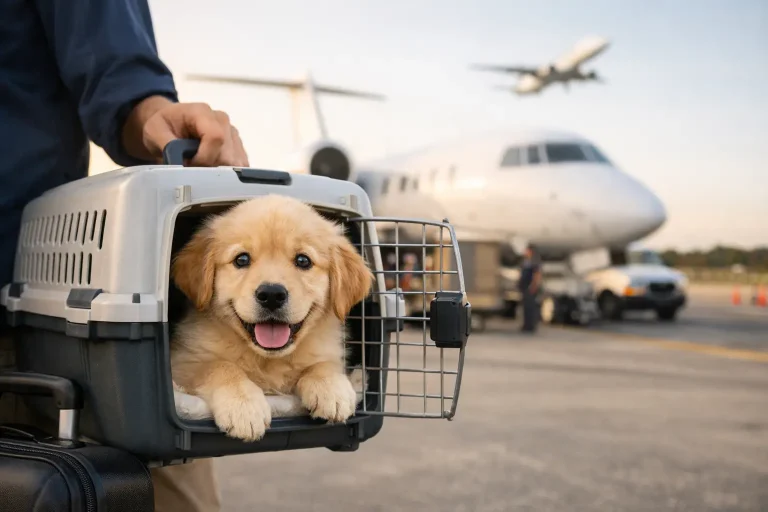
For many US families, the right terrier puppy may not be local. Ask exactly how transport works, who is involved, how the puppy’s comfort and safety are managed, and what age the puppy must be before traveling.
There is a big difference between thoughtful, puppy-centered delivery support and shipping that feels careless. Details matter here.
12. What support do you offer after the puppy goes home?
The relationship should not end the moment payment clears. Good breeders usually stay available for questions about feeding, adjustment, training, and health concerns during the transition.
That does not mean they replace your veterinarian. It means they care enough to help you get off to a strong start.
13. If something changes, will you take the puppy back?
Life happens. A responsible breeder should care about where the puppy ends up for life, not just on pickup day. Ask whether they require the dog to be returned to them if you can no longer keep it.
This answer reveals a lot about the breeder’s long-term ethics.
14. How often do you breed, and why did you plan this litter?
This question helps you understand whether the breeder is intentional or simply producing puppies to meet demand. A thoughtful breeder can explain the purpose of the pairing, what they hoped to preserve or improve, and why the timing made sense.
You are not looking for fancy language. You are looking for care, planning, and a clear standard.
15. What should I know about this breed that first-time owners often miss?
This is one of the best ways to learn whether the breeder is honest. Every breed has joys and challenges. Terriers, for example, are often loving, entertaining companions, but they can also be determined, energetic, and sometimes stubborn. A breeder who gives you the sugar-coated version only is not preparing you well.
The right answer should leave you feeling informed, not scared. Real guidance builds confident puppy parents.
Red flags to pay attention to
Sometimes the problem is not one terrible answer. It is a pattern of half-answers. If a breeder will not discuss the parents, avoids health questions, refuses to share records, or insists you reserve the puppy immediately, trust your instincts.
The same goes for breeders who always seem to have many litters available, cannot clearly explain how puppies are socialized, or treat transport as an afterthought. Convenience should never come before the puppy’s wellbeing.
The goal is not perfection. It is confidence.
No breeder, puppy, or adoption process is completely flawless. There can be small surprises, timing changes, and personality traits that become clearer with age. What you are looking for is openness, consistency, and genuine care.
At Terrier Paws, we believe puppy love begins with trust. The right breeder will not make you feel like you are asking too much. They will make you feel like you are doing exactly what a good future pet parent should do.
Ask the questions. Listen closely. And give yourself permission to walk away from anything that does not feel right. The right terrier puppy should come with kisses and tail wags, yes, but also the peace of mind that you started this journey the right way.