How to Verify Dog Breeder the Right Way
The photos are adorable, the puppy is available now, and the breeder says everything is “AKC” and “healthy.” That is exactly when you need to slow down. If you are wondering how to verify dog breeder claims before bringing home a puppy, you are asking the right question at the right time.
A good breeder is not just someone with puppies for sale. They are shaping your future dog’s health, temperament, and early experiences long before you ever see that first tail wag. For families looking for a terrier puppy, this matters even more. Terriers are bright, spirited, and full of personality, but they also do best when they come from careful breeding and thoughtful early socialization.
How to verify dog breeder claims before you commit
Start with the breeder’s transparency. A reputable breeder does not act annoyed when you ask questions. They expect them. In fact, the best breeders usually ask you plenty of questions too, because they care where their puppies go.
Ask how often they breed, where the puppies are raised, what health testing is done on the parents, and what veterinary care the litter has received. The answers should be clear and specific. Vague phrases like “vet checked” or “great bloodline” are not enough on their own. You want real details, not sales language.
It also helps to pay attention to how the breeder talks about the breed itself. Responsible breeders know the strengths and challenges of their dogs. If someone claims their puppies are perfect for absolutely everyone, never bark, never dig, and are effortless to train, that is not expertise. That is a pitch.
Ask for proof, not promises
Verification means documentation. If the breeder says the puppy is purebred, ask what registration applies and what paperwork comes with the puppy. If they mention health testing, ask which tests were completed on the sire and dam. Breed-specific health screening matters more than general reassurance.
For terriers, the exact tests can vary by breed. A breeder who raises Yorkshire Terriers may discuss different screening than one who breeds Airedales or Border Terriers. That is a good sign, not a problem. Responsible breeding is rarely one-size-fits-all.
You should also ask for the puppy’s health record, vaccination record, deworming schedule, and details about any health guarantee. A trustworthy breeder will explain what the guarantee covers, for how long, and what steps are required on your end, such as a prompt post-purchase vet exam.
Confirm the puppy’s living conditions
One of the fastest ways to tell whether a breeder is legitimate is to learn how the puppies are actually being raised. Puppies should be in a clean, safe, and home-like environment, not treated like inventory.
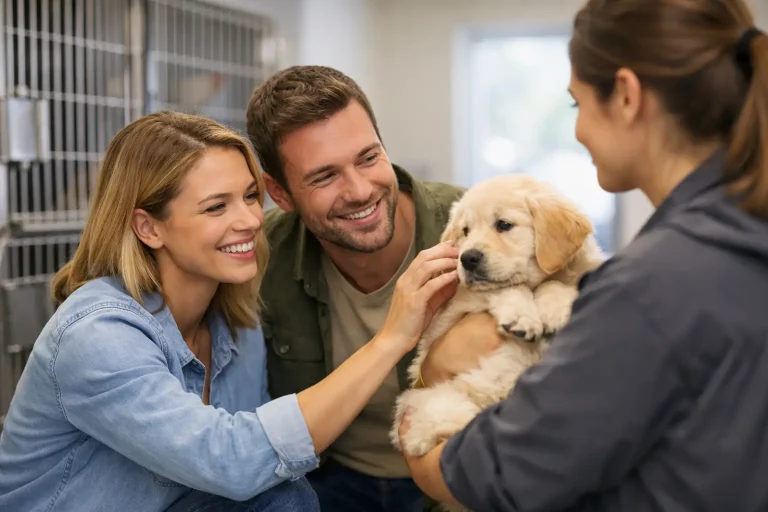
If you can visit in person, look for bright eyes, clean coats, relaxed behavior, and signs that the puppies have regular human interaction. If the breeder is out of state, ask for a live video call rather than relying only on polished photos. During that call, ask to see where the puppy sleeps, plays, and interacts with people.
A clean setup alone is not enough. Puppies also need stimulation and socialization. Early handling, exposure to everyday household sounds, and age-appropriate play all shape confidence. This is especially important for families who want a puppy that can settle well into home life.
Red flags that should make you walk away
Some warning signs are obvious, and others are easy to miss when you are excited. A breeder who refuses to show the puppy live, avoids questions, or pressures you to send a deposit immediately deserves extra caution.
So does a seller with multiple breeds always available, constant “ready today” puppies, or pricing that changes depending on how quickly you pay. Those patterns can point to volume breeding rather than careful placement.
Be wary if the breeder cannot tell you much about the puppy’s parents beyond appearance. Temperament matters. Health history matters. If they do not know, or do not want to say, that is a problem.
Another red flag is when a breeder is willing to hand over a very young puppy too soon. Puppies need time with their littermates and mother for important early development. A breeder who tries to skip that stage is not putting the puppy first.
Registration is helpful, but it is not the whole story
Many families assume that registration alone proves quality. It does not. Registration can confirm lineage, but it does not automatically confirm ethical breeding, strong health practices, or proper puppy care.
Think of registration as one piece of the picture. It should sit alongside health screening, clean living conditions, socialization, breeder knowledge, and a willingness to support you after pickup or delivery. If a breeder leans on registration as their only proof, keep asking questions.
How to verify dog breeder standards from a distance
A lot of families buy puppies across state lines, especially when searching for a specific terrier breed. Distance is not the issue. Lack of visibility is.
If you are working with a breeder remotely, ask for a video call with the puppy and, if possible, the mother. Request copies of health records before payment is finalized. Make sure you understand who is handling transportation, what the travel process looks like, and what support is available if something does not go as expected.
A serious breeder will have a process. They should be able to explain timelines, pickup or delivery arrangements, feeding routines, and what goes home with the puppy. Professionalism matters here because long-distance puppy placement takes planning and care.
This is also where a specialized breeder connection service can help. A focused platform such as Terrier Paws can add reassurance by screening breeders, organizing health and care details, and giving families a clearer path from inquiry to bringing home their puppy. That extra layer can make a big difference when you are trying to avoid guesswork.
Questions that reveal a breeder’s quality fast
Some questions open the door to real insight. Ask what the breeder is doing to socialize the litter. Ask what food the puppy is eating and why. Ask how they match puppies with families. Ask whether they remain available after adoption if you have questions about transition, training, or routine.
The tone of the response matters almost as much as the answer itself. A breeder who cares about their puppies will usually speak with detail and confidence, not defensiveness. They will also be honest about the fact that no puppy is completely risk-free. That kind of realism is often more reassuring than big promises.
You can also ask what kind of home the breeder thinks suits the breed best. Someone with real breed experience will tell you if a terrier may be more energetic, more vocal, or more independent than a family expects. Good breeders are not trying to sell every puppy to every person. They are trying to make the right match.
Trust your instincts, but back them up
Sometimes a situation feels off before you can explain why. Maybe the communication is rushed. Maybe the answers sound rehearsed. Maybe the photos do not match the story. Pay attention to that feeling.
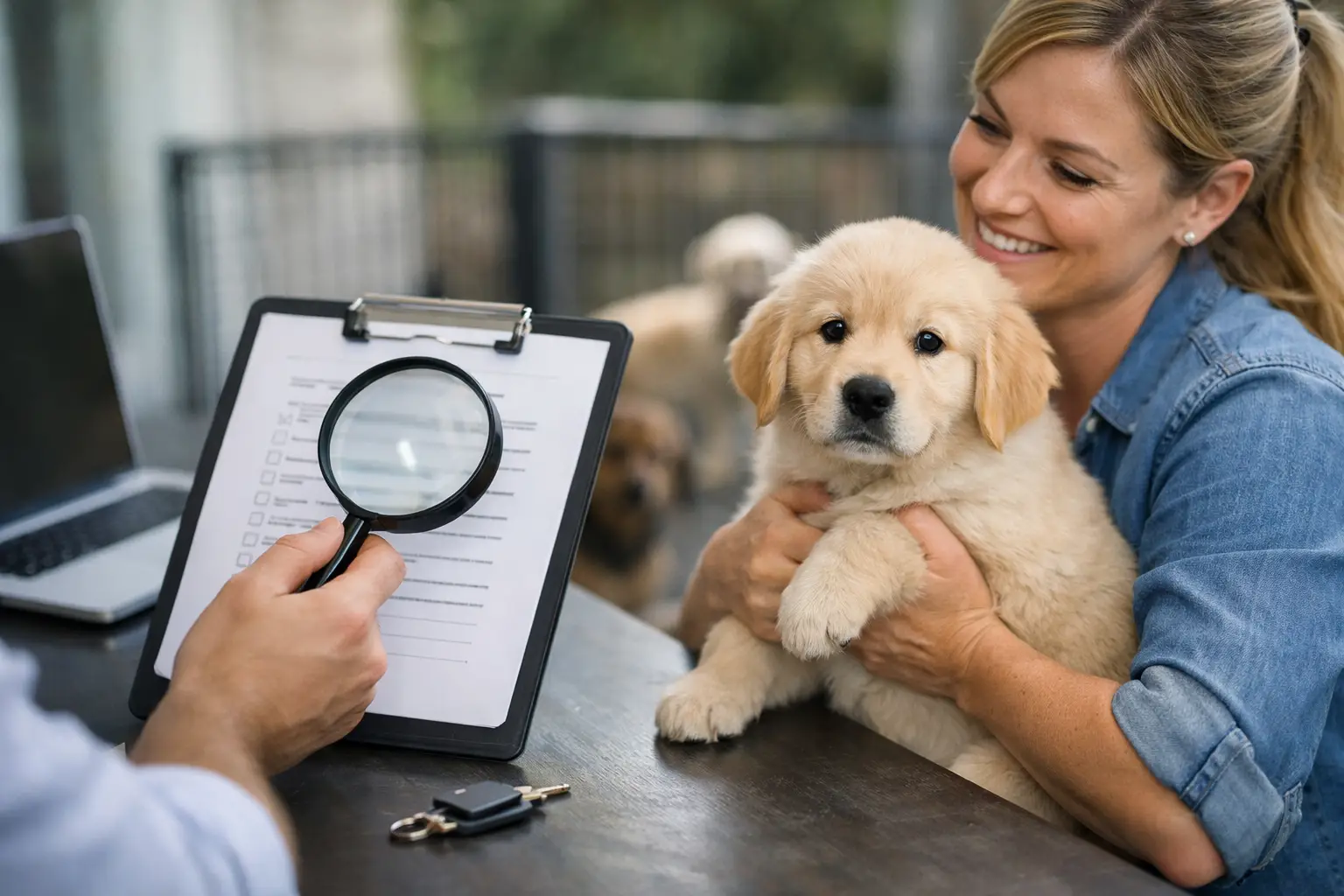
Still, instincts work best when paired with facts. Verification is about building a full picture. Documents, live interaction, health records, breeder knowledge, and puppy environment should all line up. If one area seems polished but the rest are thin, keep digging.
The right breeder will not make you feel guilty for being careful. They will respect it, because they want their puppies in safe, loving homes. That is what responsible placement looks like.
Bringing home a puppy should feel exciting, not uncertain. When you take the time to verify the breeder, you are protecting more than your purchase. You are protecting your future companion, your family’s peace of mind, and all the kisses and tail wags that are meant to start on the right paw.