Purebred Puppy Buying Guide for Terrier Families
A puppy’s bright eyes and wagging tail can make any family want to say yes on the spot. But a happy homecoming starts well before the first cuddle. This purebred puppy buying guide helps you slow down, ask the right questions, and choose a terrier puppy with the healthy, loving start your family deserves.
Terriers are full of personality. From the silky confidence of a Yorkshire Terrier to the spirited curiosity of a Jack Russell or the steady charm of a Scottish Terrier, these dogs often become the small but mighty center of family life. Choosing carefully gives you the best chance to begin that relationship with confidence, clear expectations, and plenty of puppy love.
Start With the Terrier That Fits Your Real Life
A purebred puppy should never be chosen by appearance alone. Every terrier breed has its own energy level, grooming needs, size, instincts, and style of affection. The right match depends on your household, not just the puppy photo that makes your heart melt.
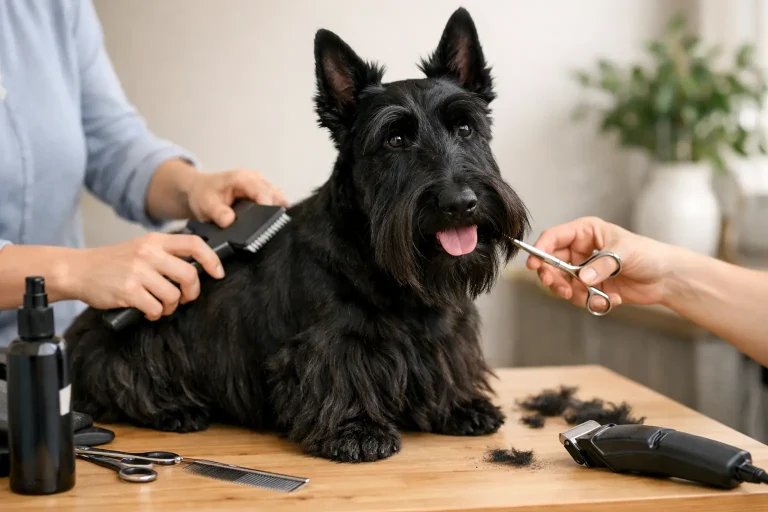
A Yorkshire Terrier can be a wonderful companion for someone seeking a small, affectionate dog, but its coat needs regular care and its little body needs gentle handling. A Jack Russell Terrier may suit an active owner who enjoys training, play, and daily outlets for a sharp mind. Larger terriers, such as Airedales, need more room, exercise, and consistent guidance than many first-time owners expect.
Think honestly about who will handle morning walks, grooming appointments, training sessions, and the occasional muddy paw print. Consider children, other pets, apartment rules, work schedules, and travel plans. A well-matched terrier is not necessarily the calmest or the smallest puppy. It is the puppy whose needs your family can meet for years to come.
What Responsible Purebred Puppy Care Looks Like
A reputable breeder is focused on more than producing adorable puppies. They make thoughtful decisions about breeding dogs, puppy care, early socialization, and the homes their puppies join. They should be comfortable discussing their program and should welcome reasonable questions from prospective pet parents.
Ask how the puppies are raised. Home-raised puppies who experience normal household sounds, gentle handling, and age-appropriate interaction often have a more familiar foundation for family life. That does not mean a puppy will arrive perfectly trained or fearless. Every puppy needs patience and continued socialization after coming home. It does mean the breeder should be actively supporting a positive start.
You should also ask about veterinary care. A responsible seller can explain the puppy’s age-appropriate vaccinations, deworming schedule, wellness checks, and the records that will go home with you. Health guarantees should be written clearly, including what is covered, for how long, and what steps are required if a concern arises.
Registration matters, but it is only one part of the picture. AKC registration verifies that a dog is recorded within a recognized pedigree system. It does not, by itself, prove that a breeder follows excellent health, housing, or socialization practices. Use registration information alongside conversations, health documentation, breeder transparency, and your own careful judgment.
Ask About Breed-Relevant Health Testing
Responsible breeding begins with healthy parent dogs. The exact screening needs can vary by breed, so ask what health testing has been completed for the puppy’s parents and why those tests are relevant. Depending on the terrier breed, discussions may include eye health, patella concerns, cardiac health, hip evaluation, liver conditions, or inherited genetic risks.
A trustworthy breeder will not promise that any living animal is free from every future health issue. That would not be honest. What they can do is explain the care and screening behind their breeding decisions, share documentation when appropriate, and stand behind the puppy with straightforward support.
Warning Signs That Deserve a Pause
Your excitement is valuable, but so is your caution. If a seller pressures you to send money immediately, refuses to answer basic questions, or has no records available, take a step back. A healthy puppy purchase should feel supported, not rushed.
Be especially wary of unusually low prices that seem disconnected from the breed, region, veterinary care, and responsible raising involved. A low initial price may hide poor conditions, missing health care, or a scam. On the other hand, a higher price is not automatic proof of quality. Ask what is included and evaluate the breeder’s practices rather than relying on one number.
Other concerns include a seller who always has many unrelated breeds available, will not discuss where puppies are raised, offers to ship a very young puppy without explanation, or avoids a live conversation. Photos can be copied, and polished listings can hide a lot. Clear answers, paperwork, and a respectful willingness to communicate are far more meaningful than a cute social media post.
Use This Purebred Puppy Buying Guide Before You Commit
Before placing a deposit, make sure you understand exactly what you are reserving. Ask for the puppy’s date of birth, expected go-home date, registration details if applicable, veterinary records, feeding routine, and contract. Read every agreement before signing, especially terms related to the health guarantee, deposits, returns, and transportation.
If you cannot meet the breeder in person because the puppy is located out of state, request a live video call. You should be able to see the puppy and have a real conversation about its temperament, current routine, and care. Delivery can be a helpful option for busy families or long-distance matches, but it should be organized with the puppy’s comfort and safety at the center. Ask who handles transport, how travel is planned, what communication you will receive, and what happens if weather or scheduling changes.
It is also wise to schedule a visit with your own veterinarian soon after your puppy arrives. This is not a sign that you distrust the breeder. It is a smart first step in building your puppy’s lifelong health record and establishing a relationship with a local veterinary team.
Prepare Your Home Before the Tail Wags Arrive
Bringing home a puppy without a plan can turn a joyful first night into a stressful one. Set up a quiet sleeping area, choose an appropriately sized crate or pen, and remove hazards such as loose cords, medications, small toys, and unsafe foods. Terriers are curious problem-solvers, and many are surprisingly talented at finding what they should not chew.
Have the breeder’s recommended food ready so you can avoid an abrupt diet change. You will also want food and water bowls, a collar or harness, an ID tag, a leash, puppy-safe toys, grooming supplies, and an enzymatic cleaner for house-training accidents. Keep the first few days calm. A revolving door of visitors may sound fun, but your puppy needs time to learn that this new home is safe.
Start gentle routines right away: regular potty breaks, short positive training sessions, quiet naps, and kind handling. Terriers often respond beautifully to consistency, praise, and opportunities to use their busy minds. Training is not about taking away their bold little personalities. It is about helping those personalities thrive safely in your home.
Expect a Relationship, Not a Transaction
The best breeder connections do not disappear the moment payment is complete. A caring professional wants to know their puppy is settling in well and can often offer useful insight about the breed, early routines, and the individual puppy’s habits. You should feel comfortable asking follow-up questions as your new companion adjusts.
At Terrier Paws, families looking for a purebred terrier can benefit from a more guided path, including breeder screening, puppy health information, and support with adoption coordination or delivery planning. Even so, the most meaningful part of the process is still your preparation. Ask questions. Review the details. Trust the feeling that comes from open, respectful communication.
Soon enough, the crate will have a favorite blanket, the hallway will host tiny races, and one determined terrier will claim a permanent spot in your heart. Give that future the careful beginning it deserves, and you will have more room for the kisses, tail wags, and everyday moments that make a puppy feel like family.