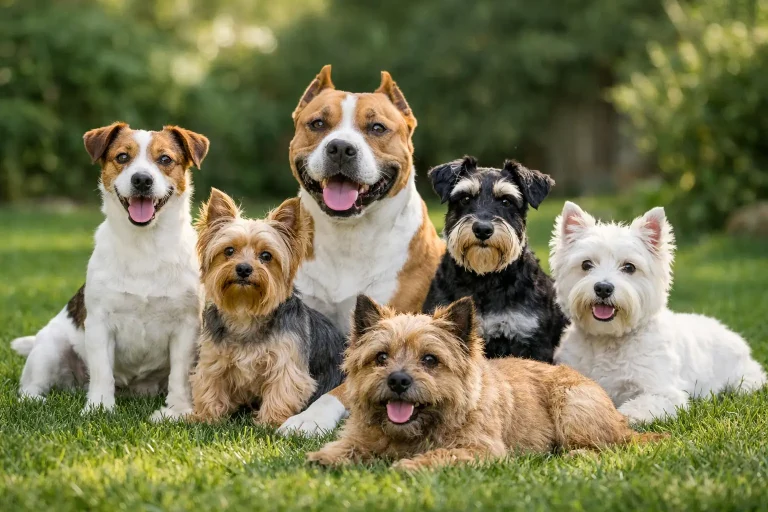
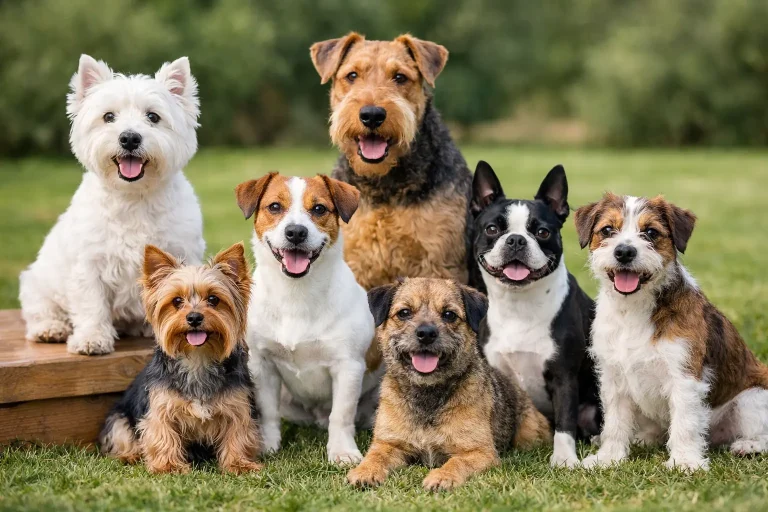
10 Best Low Shedding Terriers for Families
A black outfit, a clean couch, and fewer tumbleweeds drifting across the kitchen floor sound wonderful. The best low shedding terriers can make that easier, but they are not no-maintenance dogs. Most trade loose fur for regular brushing, professional trims, or hand stripping. For families ready to keep up with coat care, that trade can be well worth it for a bright, affectionate companion with plenty of terrier sparkle.
No dog is truly hypoallergenic, either. Allergies can be triggered by dander, saliva, and urine, not only hair. Still, a terrier that sheds very little may be more comfortable for some households, especially when paired with consistent grooming and a clean home.
What Makes a Terrier Low Shedding?
Many low-shedding terriers have hair-like or wiry coats that hold onto loose hairs instead of dropping them around the house. Their coats continue to grow or need periodic stripping to stay tidy and healthy. That means less fur on your furniture, but it also means grooming becomes a real part of pet-parent life.
Before choosing by coat alone, think about your household’s daily rhythm. A tiny dog may be easier to bathe and brush, while a bigger terrier may better suit an active family. Some are cheerful social butterflies, others are devoted watchdogs, and nearly all bring classic terrier confidence, curiosity, and a love of having something to do.
10 Best Low Shedding Terriers to Consider
1. Yorkshire Terrier
The Yorkshire Terrier is one of the most recognizable low-shedding choices for families who want a small dog with a big heart. A Yorkie’s silky coat resembles human hair and sheds very little when cared for well. Many pet parents keep it in a shorter puppy cut for easier maintenance, while a longer coat needs frequent, gentle brushing to prevent tangles.
Yorkies are affectionate, alert, and often wonderfully attached to their people. Their small size makes them a natural fit for apartments and smaller homes, although they still need daily play, training, and safe socialization. Young children should always be taught how to handle these delicate little pups kindly.
2. Miniature Schnauzer
Miniature Schnauzers are cheerful, sturdy, and known for their signature eyebrows and beard. Their double coat sheds minimally, especially when maintained through regular clipping or hand stripping. They do need brushing, particularly around the legs and beard, where mats can form after outdoor fun or a drink of water.
This breed often suits families looking for a small-to-medium companion with a lively, watchful nature. Miniature Schnauzers are smart and eager to participate, but their alert bark can become a habit without patient training from puppyhood.
3. Scottish Terrier
The Scottish Terrier has a dignified look, a wiry coat, and a wonderfully independent personality. Scotties shed lightly, but their coat benefits from routine brushing and professional grooming every several weeks. Hand stripping can preserve the traditional texture and rich appearance of the coat, while clipping is a practical option for many family homes.
A Scottie can be deeply loyal to its family without needing to be the center of every gathering. They are often better for households that appreciate a confident dog with clear preferences, rather than expecting a nonstop social butterfly.
4. West Highland White Terrier
The West Highland White Terrier, lovingly called the Westie, brings sunny energy in a compact white package. Westies shed very little, though their bright coats show dirt easily and need steady brushing. Regular trims help keep their coats manageable and their faces fresh.
Westies are playful, sturdy for their size, and usually enthusiastic about family activities. Like many terriers, they may be interested in squirrels, birds, and anything that moves quickly, so secure fencing and leash habits matter.
5. Cairn Terrier
Cairn Terriers have a shaggy, weather-resistant coat that generally sheds lightly. Their grooming needs are moderate, with regular brushing and occasional hand stripping or trimming needed to keep the coat from becoming untidy. Their natural look is part of their charm, so they do not require a polished show-dog finish to look adorable.
This is a spirited, adaptable breed that can make a sweet family companion when given consistent structure. Cairns are clever and fun, but they may dig or chase if bored. Daily walks, games, and short training sessions help direct that busy little mind.
6. Wire Fox Terrier
Wire Fox Terriers have a dense, wiry coat that releases little hair around the home. The coat requires committed care, though. Hand stripping is traditionally used to maintain its texture, while clipping offers a lower-effort look for many pet families.
These dogs are energetic, entertaining, and full of personality. A Wire Fox Terrier is best for a home prepared to provide exercise, boundaries, and plenty of positive training. Their enthusiasm can be delightful, but it is not a breed for someone hoping for a quiet couch companion all day.
7. Lakeland Terrier
The Lakeland Terrier is a compact, hardy breed with a low-shedding wiry coat. They are less common than some other terriers, but their bright expression and manageable size can make them a lovely match for the right family. Brushing and periodic professional grooming are needed to keep the coat comfortable and neat.
Lakeland Terriers tend to be bold and affectionate with their people. Early socialization helps them grow into confident adults who can handle new visitors, new places, and everyday family life with ease.
8. Welsh Terrier
A Welsh Terrier has the familiar black-and-tan look of a larger Airedale in a more compact body. Its hard, dense coat sheds lightly and needs hand stripping or clipping, plus brushing to prevent mats. This breed is athletic and curious, with enough energy for active couples and families who enjoy walks, outings, and training games.
Welsh Terriers are charming, but they are still terriers. They need kind, consistent rules and supervised introductions around smaller pets. Their best qualities shine when they feel included in the family rather than left to invent their own fun.
9. Airedale Terrier
The Airedale Terrier is the largest terrier and a wonderful option for families who love the low-shedding coat type but want a larger dog. Its wiry coat sheds little, yet it requires regular brushing and scheduled grooming to avoid mats. Airedales can be clipped for easier household care or hand stripped for a traditional coat.
Their size, intelligence, and confidence call for training that begins early and stays positive. A well-raised Airedale can be affectionate, playful, and deeply devoted, but this is not a low-energy breed. Space to move, daily exercise, and mental work are essential.
10. Soft Coated Wheaten Terrier
Soft Coated Wheaten Terriers are known for their soft, wavy coats and warm, people-loving personalities. They shed very little, but their coat can mat quickly without frequent brushing. This is one of the most important trade-offs to understand before bringing home a Wheaten puppy: less loose hair does not mean less grooming.
Wheatens are often joyful, social dogs that enjoy being near their people. They can be a lovely fit for a family willing to build good manners early, especially around jumping and enthusiastic greetings.
Grooming Is the Price of Less Shedding
For most of these breeds, a quick brush once in a while will not be enough. Plan on brushing several times each week, checking areas that tangle easily, and arranging grooming appointments about every six to eight weeks, depending on coat length and lifestyle. A puppy accustomed to gentle brushing, nail trims, ear checks, and baths will find lifelong care much less stressful.
Ask a breeder what type of coat care the puppy’s parents receive and whether the breed is usually clipped or hand stripped. Also ask what products have been used on the puppy and whether the breeder has begun handling exercises. Those small details can make the first grooming appointment feel far less overwhelming for your new best friend.
Choosing a Healthy Terrier Puppy With Confidence
Coat type should never be the only reason to choose a puppy. A healthy, well-socialized pup from a responsible breeder gives your family the best start. Look for clear information about health testing appropriate to the breed, veterinary care, vaccinations, living conditions, and how puppies are introduced to everyday household sounds and handling.
It is also wise to meet or learn about the puppy’s parents when possible. Temperament matters. A calm, friendly parent does not guarantee a puppy’s adult personality, but it offers helpful insight into what may be ahead. AKC registration can document pedigree, but responsible breeding practices, honest communication, and proper puppy care matter just as much.
At Terrier Paws, families can focus on finding a terrier whose personality, size, and care needs fit their real life, with breeder standards and puppy well-being kept front and center. The right match is not simply the dog with the least hair on the floor. It is the puppy whose happy tail wags, daily needs, and loving presence feel at home with your family for years to come.