10 Best Calm Terrier Dog Breeds for Families
A terrier can curl up beside you during movie night and still light up at the sight of a squirrel. That is part of their charm. The best calm terrier dog breeds are not low-personality dogs. They are terriers with a more even, affectionate, and manageable nature for families who want plenty of puppy love without nonstop household chaos.
Temperament is never guaranteed by a breed name alone. A puppy’s parentage, early socialization, daily routine, training, and health all shape the adult dog they become. Still, some terriers are naturally more laid-back, gentle, or content to settle indoors once their exercise needs are met.
What “calm” means in a terrier
Terriers were developed to be alert, determined working dogs, so even the mellowest one is likely to be curious and spirited. In this group, calm usually means a dog that can switch off after playtime, is less intense than high-drive terriers, and tends to enjoy close family companionship rather than needing constant action.
A calmer breed may be a wonderful choice for a first-time owner, a couple in an apartment, or a family with respectful children. But calm does not mean no walks, no training, or no grooming. Every terrier needs kind boundaries, daily movement, and a place in family life.
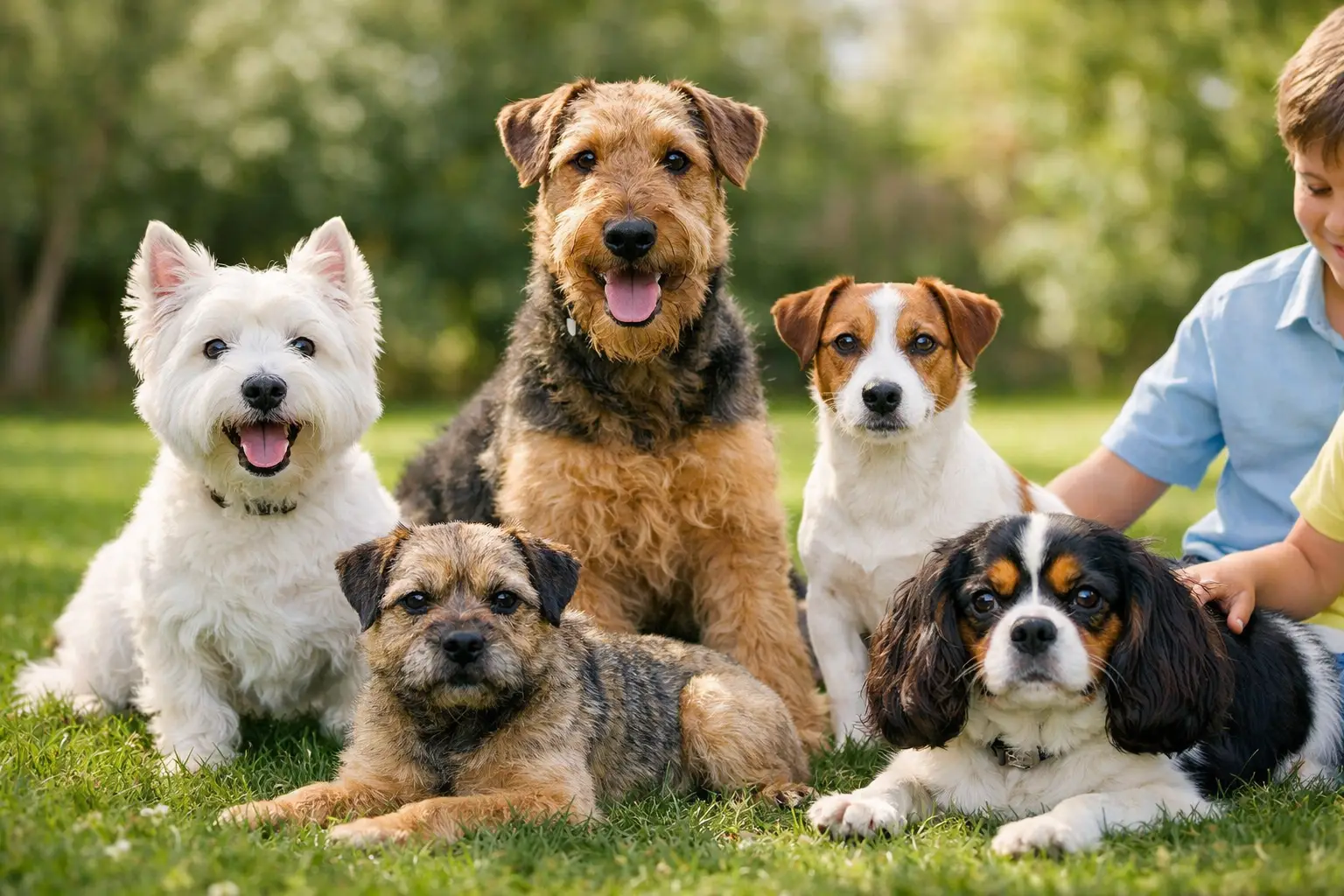
10 best calm terrier dog breeds to consider
1. Cesky Terrier
The Cesky Terrier is often one of the first breeds to consider for families seeking a quieter terrier temperament. This rare, charming dog was developed to be more cooperative and less fiery than many traditional terriers. Ceskies are affectionate with their people, adaptable in the home, and usually happy with regular walks and play rather than marathon exercise sessions.
They can be reserved around strangers at first, so early positive socialization matters. Their soft, silky coat also needs regular brushing and professional grooming. For the right family, their gentle nature is well worth that upkeep.
2. Glen of Imaal Terrier
The Glen of Imaal Terrier has a big heart in a low-to-the-ground body. Compared with many terriers, this sturdy Irish breed is known for being less vocal and more easygoing indoors. Glens enjoy a good walk, a game, and time with their people, but they are often content to relax afterward.
Their confidence can look like stubbornness if training is inconsistent. Use positive reinforcement from puppyhood and make recall practice a priority. They may also have a strong interest in chasing small animals, as many terriers do.
3. Sealyham Terrier
The Sealyham Terrier is a cheerful companion with a surprisingly relaxed side. These dogs are playful and clownish without typically being frantic, and many enjoy spending long stretches close to their family. Their compact size can make them a comfortable fit for smaller homes, provided they receive daily outings and attention.
A Sealyham’s distinctive white coat needs routine care, and some can be independent thinkers. Families who combine gentle training with plenty of affection often find a devoted little companion with a lovely off-switch.
4. Dandie Dinmont Terrier
With its expressive eyes and unique topknot, the Dandie Dinmont Terrier is as memorable as it is sweet. Dandies are commonly described as dignified, affectionate, and less busy than many terrier relatives. They enjoy play and sniffing walks, but they are also known for their ability to settle down at home.
Their low body and longer back mean families should be thoughtful about repetitive jumping from furniture. A healthy weight, sensible exercise, and responsible breeding are especially meaningful for this breed.
5. Skye Terrier
Skye Terriers form deep bonds with their chosen people. They tend to be composed and quiet in familiar surroundings, making them appealing to owners who want an observant companion rather than a dog that greets every visitor with instant enthusiasm. With family, a well-socialized Skye can be loving, playful, and wonderfully loyal.
This breed is often reserved with strangers and needs patient, early exposure to new people and places. Their beautiful long coat requires committed grooming, so be honest about whether that routine fits your household.
6. Border Terrier
Border Terriers are one of the most family-friendly choices among the best calm terrier dog breeds, especially for active homes. They are lively outdoors but often practical, affectionate, and settled indoors after a good walk. Their wiry coat is relatively low-maintenance, and their friendly nature can make them easier to introduce to new experiences than some more guarded terriers.
Do not mistake their sweet expression for a lack of drive. Borders were bred to work, and they need secure fencing, leash skills, and fun training sessions. A bored Border may invent entertainment of their own.
7. Scottish Terrier
The Scottish Terrier has a dignified, self-possessed personality that many families adore. Scotties are often calm and observant at home, with a strong preference for their inner circle. They are not usually needy dogs, but they offer steady loyalty, plenty of character, and affectionate moments on their own terms.
They can be selective with other dogs and somewhat reserved around unfamiliar people. A Scottie is often best for a family that appreciates an independent companion and will teach polite manners early without expecting a constantly social butterfly.
8. Bedlington Terrier
The Bedlington Terrier looks soft and lamb-like, but it is still a real terrier underneath that curly coat. The good news is that many Bedlingtons have a gentle, affectionate home presence and enjoy lounging with family after exercise. They are athletic enough for walks, games, and dog sports, yet can be surprisingly peaceful indoors.
Their coat needs professional grooming, and their energy level is higher than the most laid-back breeds on this list. They are a strong match for families who want a calm cuddle companion with a fun, sporty side.
9. Norfolk Terrier
Norfolk Terriers are small, social, and full of warmth. They are usually more eager to be part of the family group than more independent terrier breeds, and their compact size is appealing for apartment dwellers. A Norfolk may be lively in play, but many are affectionate lap companions once the day winds down.
Because they are bright and people-oriented, they do not thrive when left alone for long hours. They also need consistent house-training and supervision as puppies. Their easygoing spirit shines brightest in a home that includes them in everyday life.
10. Airedale Terrier
The Airedale is the largest terrier and is not the right pick for every family seeking a calm dog. As a puppy and young adult, an Airedale can be energetic, goofy, and powerful. However, a well-bred, well-trained adult often grows into a confident, steady family companion with a more composed presence than its early years suggest.
Choose this breed only if you can offer training, exercise, and mental challenges. For experienced owners who want a larger terrier with maturity and heart, an Airedale can be a rewarding match.
Choosing the right puppy matters as much as choosing the breed
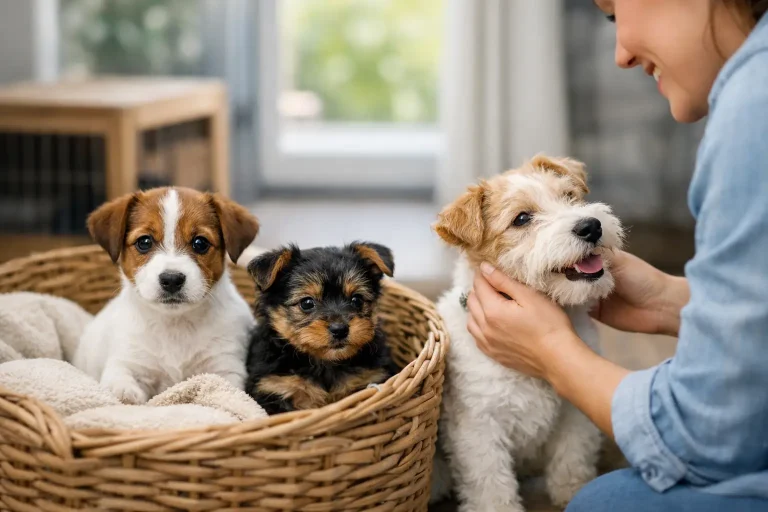
Within every litter, personalities vary. One puppy may confidently greet everyone, while another hangs back to watch before joining the fun. Tell a breeder about your household, your children’s ages, your work schedule, other pets, and the activity level you can realistically provide. A responsible breeder should welcome those questions and help you identify a puppy whose temperament fits your life.
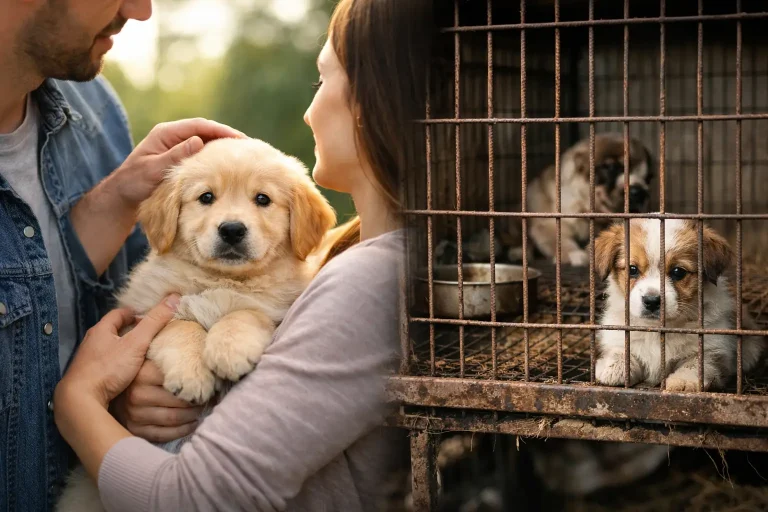
Ask about the parents’ personalities, health testing appropriate for the breed, veterinary care, and where the puppies are raised. Puppies that receive careful early handling, age-appropriate socialization, and a clean home environment have a stronger foundation for a confident transition. Health guarantees and clear records also bring welcome peace of mind when you are making such an important family decision.
At Terrier Paws, families can begin that conversation with breeder-screening and puppy-care support in mind, rather than trying to sort through uncertain listings alone.
Help your calm terrier stay calm
A gentle puppy still needs guidance. Start with a predictable routine for meals, potty breaks, naps, short training sessions, and play. Reward quiet behavior, teach your puppy to enjoy a crate or safe resting space, and introduce new sounds, visitors, surfaces, and friendly dogs gradually.
Avoid expecting children to manage the puppy on their own. Teach kids to let a resting dog sleep, to avoid hugging tightly, and to use calm hands around food and toys. Supervised, positive interactions build trust on both sides.
The best match is not simply the quietest terrier. It is the healthy, well-raised puppy whose needs fit your family’s rhythm – leaving room for muddy paws, happy kisses, and a loyal little shadow by your side.